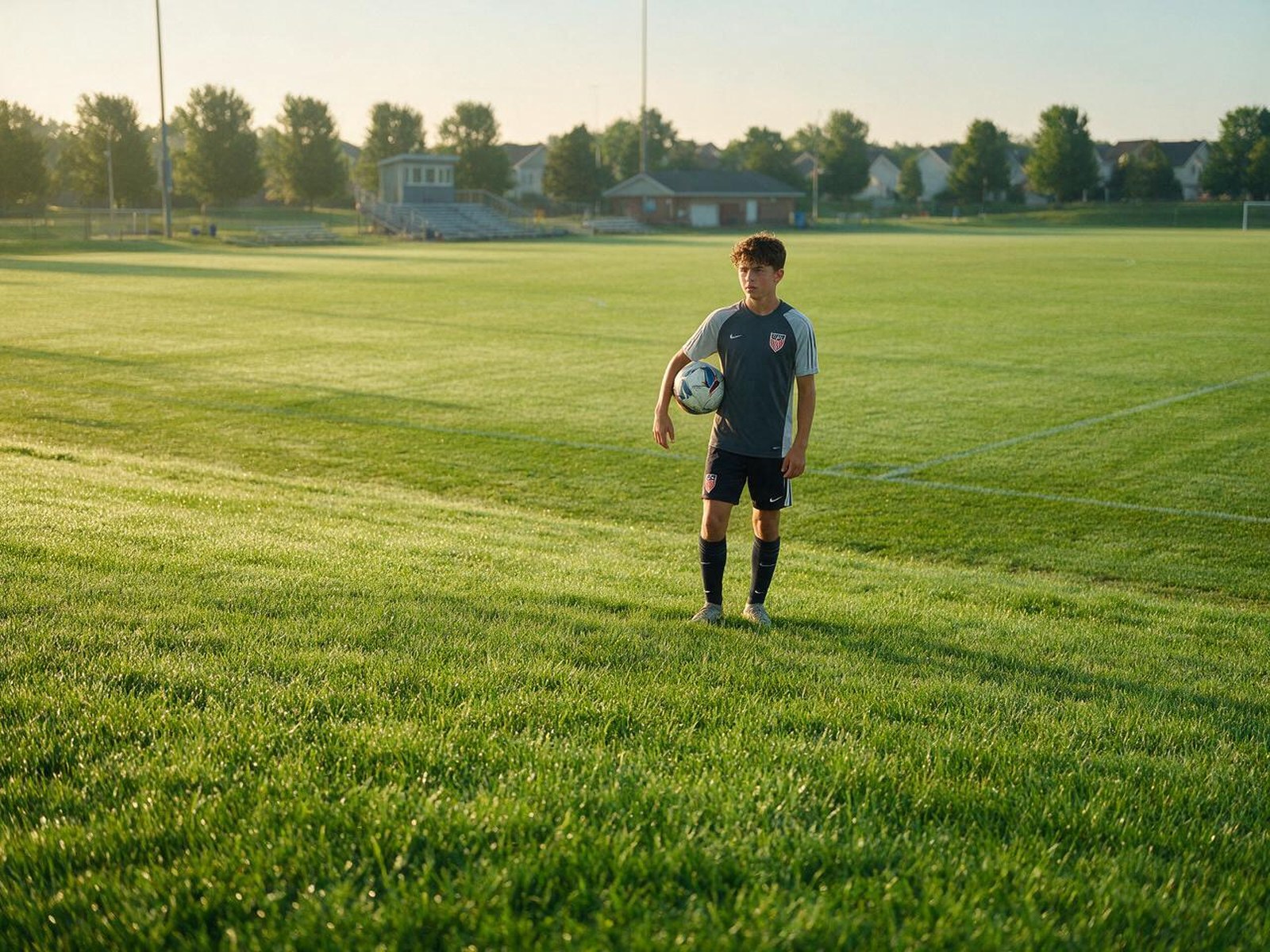
The US has no single academy system. Since U.S. Soccer ended its Development Academy in April 2020, citing the financial strain of the COVID-19 pandemic, elite youth soccer has been split across several leagues. Here is what each one is, in plain English, and who it tends to suit.
MLS NEXT
Launched by Major League Soccer in 2020, MLS NEXT runs from U13 to U19 in two divisions. The top one, the Homegrown Division, has 152 clubs - every MLS academy plus 123 "Elite Academies" - and more than 17,000 players. The Academy Division sits below it. MLS NEXT says 162 of its alumni are on MLS rosters this season and 1,661 are playing college soccer. It suits players who want the closest link to professional academies and can handle the travel and time it demands.
ECNL and the ECNL Regional League
The Elite Club National League launched in 2009 with 40 girls' clubs and added ECNL Boys in 2017 with 57 clubs. Below it sits the ECNL Regional League, which the league calls a proving ground: for 2026-27, three clubs were promoted from the girls' Regional League into ECNL. It suits players chasing college recruiting through national club competition and league events.
Girls Academy
The Girls Academy (GA) was founded in 2020, after the Development Academy closed, by leaders of the Development Player League. When it launched, GA required its clubs to let players play high school soccer if they wished, a break from the old Development Academy policy. In 2025 it added GA Aspire, a second tier that clubs can use to prove themselves for a place in the top level.

US Youth Soccer, ODP and high school
- USYS National League: US Youth Soccer's national competition. Its Elite 64 tier, introduced in 2022, plays at least 14 league games over a 10-month season, with a schedule designed to allow high school soccer and up to three national showcases.
- ODP: the US Youth Soccer Olympic Development Program, formed in 1977, picks state teams through trials. Players can move on to region pools and national camps, where staff coaches identify players for national team pools.
- High school: 484,908 boys and 393,048 girls played high school soccer in 2024-25, and it is still the base the NCAA uses to measure college odds.
How to choose
The best league is the one where a player gets real minutes, good coaching and a schedule the family can sustain. Ask about playing time, travel, total cost, whether high school soccer is allowed, and where recent players went to college. Check age groups too: from 2026-27, US Youth Soccer, US Club Soccer and AYSO group players by school year (August 1 to July 31), as does the MLS NEXT Academy Division, while the Homegrown Division keeps birth-year groups. Our guide to the relative age effect explains why that matters, and if you are not in any of these leagues, read about the routes that don't need an elite club.
Whatever league you play in, development is what carries over. Take the free development assessment to see which of the four pillars to work on next - it describes where your game is today, not which league you belong in.
Sources: MLS (Development Academy closure); MLS NEXT Homegrown Division; MLS NEXT 2026-27; ECNL history; SoccerWire on the Girls Academy; USYS Elite 64; NCAA probability data; AYSO age groups.
Frequently asked questions
What is the difference between MLS NEXT and ECNL?
MLS NEXT is Major League Soccer's youth platform, launched in 2020, whose top tier, the Homegrown Division, includes every MLS academy. ECNL, founded in 2009 for girls and expanded to boys in 2017, is a national club league with a second tier, the ECNL Regional League.
What is ODP in soccer?
ODP is the US Youth Soccer Olympic Development Program, formed in 1977. It selects state teams through trials, and players can move on to region pools and national camps where staff coaches identify players for national team pools.
Is youth soccer going back to school-year age groups?
Mostly, yes. From the 2026-27 season, US Youth Soccer, US Club Soccer and AYSO group players by school year (August 1 to July 31), as does the MLS NEXT Academy Division, while the MLS NEXT Homegrown Division keeps birth-year groups.
Curious where you actually stand? Soccer Reach turns your level, age and honest self-assessment into a free Player Development Score, with the parts of your game to work on next.
Get your free score